Long workdays can make comfort, focus, and a good transition into rest feel especially valuable. These eight gift ideas span desk comforts, planning tools, personal accessories, and ways to unwind.
Choose for the recipient’s actual routine: where they work, how they like to organize their day, and what helps them recharge afterward.
8 Gift Ideas for People Who Work Long Hours
Snailax Shiatsu Back Massager with Heat
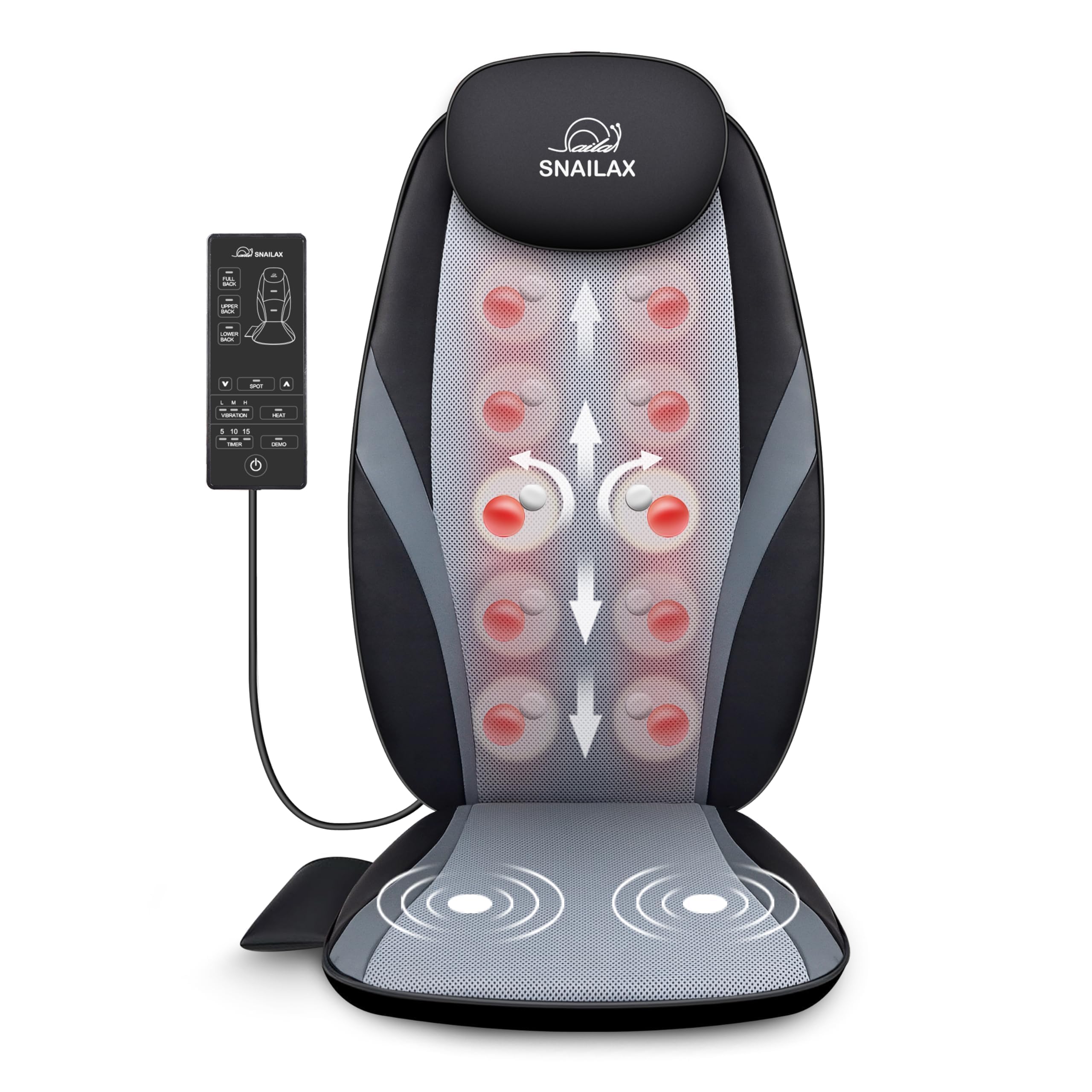
- Choose full-back, upper-back, or lower-back coverage to focus the massage.
- Adjust the intensity flap for a softer or stronger massage.
- Use the seat vibration setting for hips and thighs.
Best Gift For: Someone who sits or stands for long hours and would appreciate a massage cushion for breaks or after work.

Everlasting Comfort Memory Foam Foot Rest
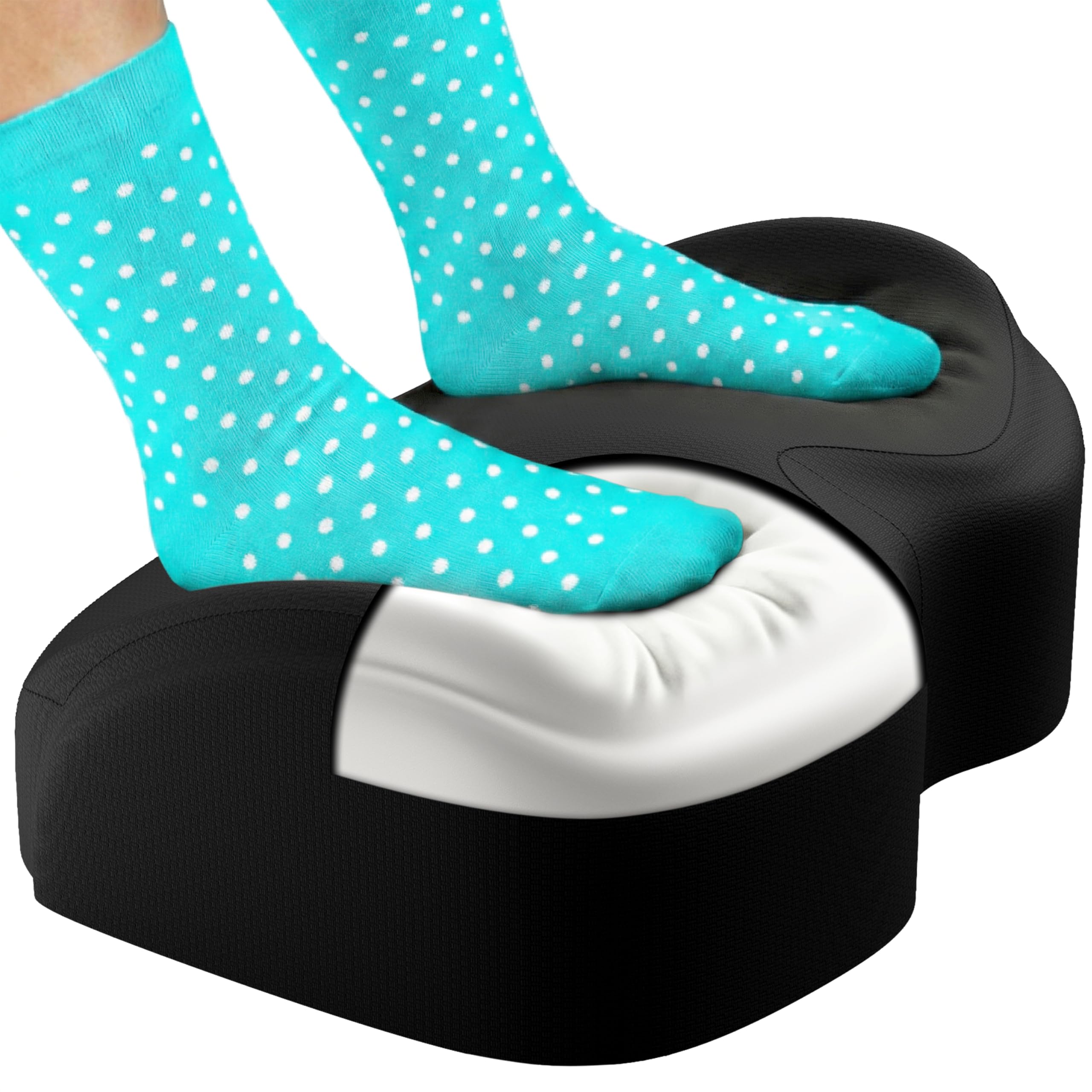
- Memory foam supports elevated feet at a desk.
- The cover is breathable and machine washable.
- Its non-slip base is intended for carpet, tile, or hardwood floors.
Best Gift For: Someone who spends work or gaming time seated at a desk.
JLab Go Air Pop True Wireless Earbuds
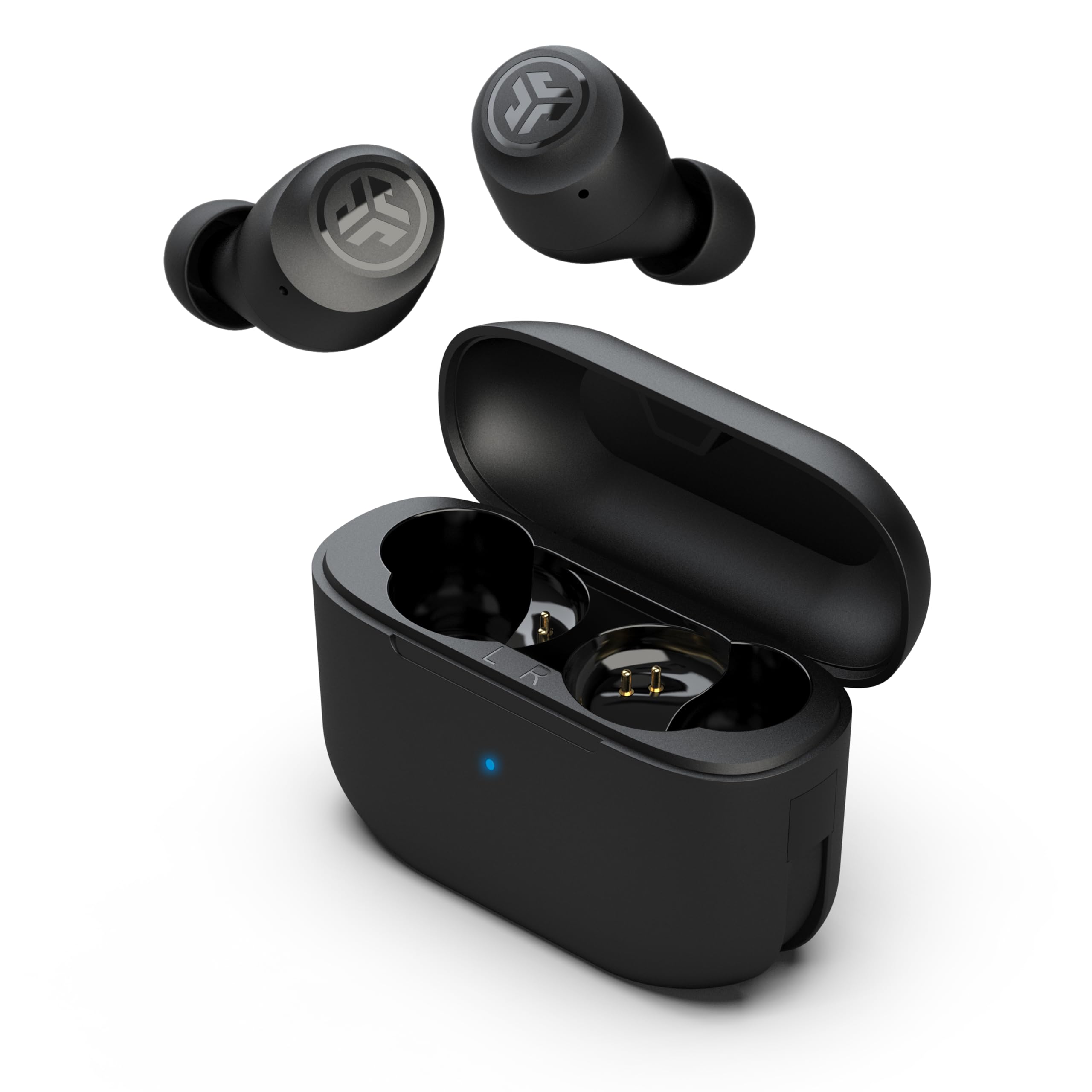
- Choose between three EQ sound settings.
- Either earbud can be used independently.
- Touch controls manage volume, tracks, calls, and voice assistant access.
Best Gift For: A worker who listens to audio or takes calls from a phone, tablet, or laptop.
Cross Classic Century Gold Plated Ballpoint Pen

- The pen has a slim profile and a precision swivel-action mechanism.
- It is refillable for continued everyday use.
- It arrives in a gift box and is easy to carry in bags or pockets.
Best Gift For: A colleague or graduate who enjoys writing notes, journaling, or using a polished everyday pen.
Clever Fox Planner PRO Light

- Use monthly, weekly, and daily pages to organize goals and plans.
- Its undated layout can be started at any time of year.
- The planner includes a quick-start guide and planning stickers.
Best Gift For: Someone who likes mapping goals and organizing weekly and monthly plans.
MyHalos Sleep Mask, Black, 2-Pack
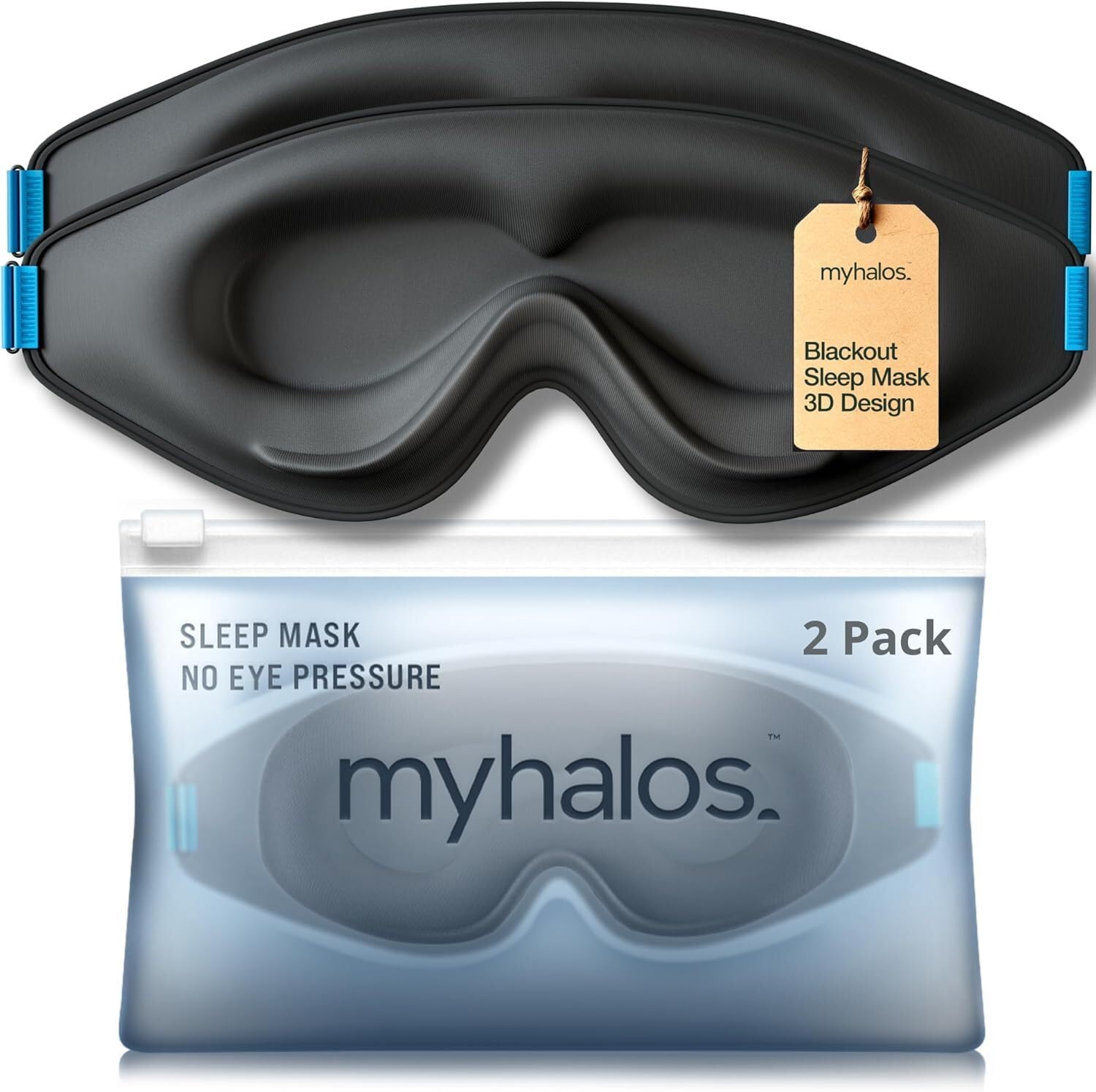
- The contoured design is intended to block light.
- Deep eye cups are designed to avoid contact with eyelids or lashes.
- It comes with a protective travel pouch.
Best Gift For: A night-shift worker or frequent traveler who wants a sleep mask for rest in different settings.
Coop Home Goods Cool+ King Size Adjustable Pillow
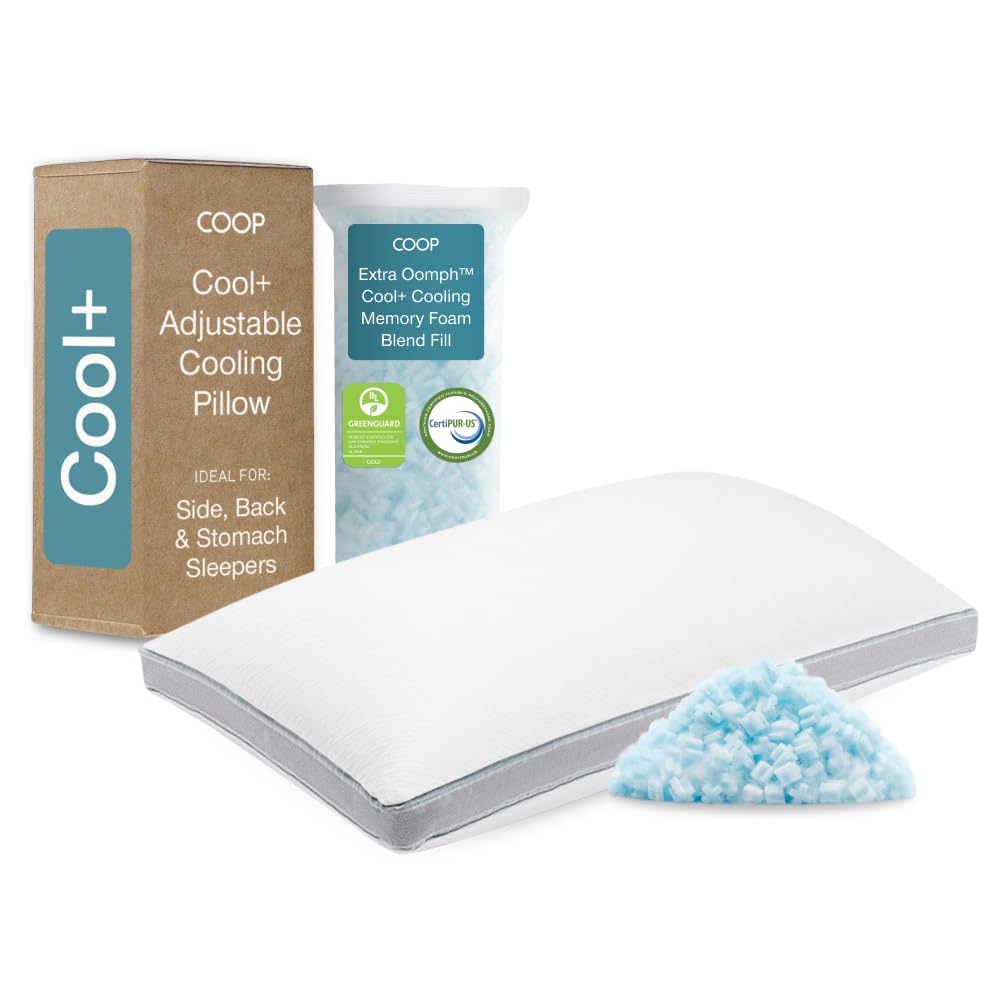
- Adjust the fill by adding or removing stuffing.
- Choose between a cushy cool side and a firm, supercooled pad side.
- The removable cover can be machine washed separately in cold water.
Best Gift For: A hot sleeper who wants to adjust pillow fill to their comfort preference.
SONGMICS Foldable Bed Laptop Desk
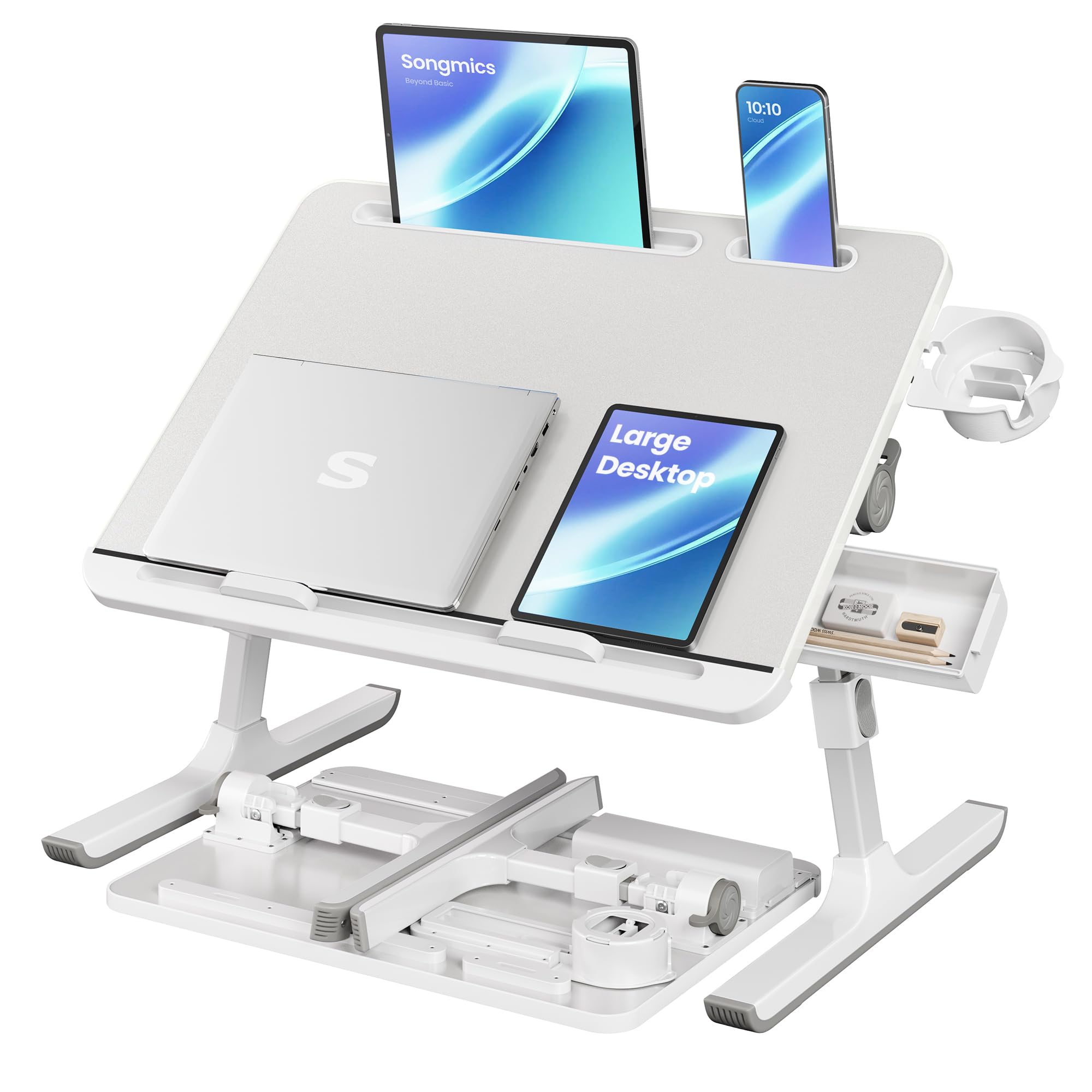
- The desktop tilts smoothly up to 120° for viewing.
- Eight height options range from 10" to 14.2".
- It folds flat for storage or carrying.
Best Gift For: Someone who sometimes works, studies, or reads from a sofa or bed.
Choosing Gifts for People Who Work Long Hours
When looking for gifts for people who work long hours, start with the shape of the recipient’s day. Someone anchored to a desk may value a small comfort or an easier way to keep plans visible, while a person moving between home, office, and travel may appreciate something portable or useful during breaks.
Consider what the recipient already uses. A planner works best for someone who likes writing tasks down; audio gear suits someone who can listen during parts of the day; and a rest-focused gift may fit someone who has a clear wind-down routine.
A specific fit usually feels more thoughtful than a generic “work” theme.
Think about their workspace and habits before choosing. A desk accessory may need room under a table, while a lap surface only makes sense if they use a sofa or bed for reading or computer time.
If you are unsure, select a broadly useful item and include a gift receipt where available.
Balance Comfort, Usefulness, and Budget
Set a comfortable spending range first, then decide whether you want a modest everyday upgrade or a more substantial personal gift. Practical gifts can still feel considered when they address a real annoyance, such as wanting more comfortable seated breaks or a less cluttered place to write down priorities.
For gifts for people who work long hours, weigh how often the item may fit into their routine against how much space or setup it needs. A small accessory can be easy to welcome, while a larger comfort item deserves a little more thought about where it will live and whether the recipient wants it.
Compare current prices before buying, since costs can change. For products that connect to devices or need a particular workspace, check compatibility and dimensions.
Those simple checks can prevent a well-meant present from becoming something the recipient has to exchange or store unused.
Personalize the Gift and Presentation
A personal note can connect a useful present to the recipient’s own schedule: wish them calmer breaks, a satisfying new planning habit, or easier rest after a demanding day. For gifts for people who work long hours, a considerate message can recognize their effort without implying that work should take over their life.
Match the presentation to the item and the relationship. A pen or planner pairs naturally with a short handwritten note, while a comfort or sleep accessory can be wrapped with a simple wish for a relaxing evening.
Keep the message warm and specific rather than making assumptions about health, stress, or how the person spends every hour.
If you are giving a desk item, a small card can explain why you thought it suited their routine. For a colleague, keep the gesture appropriate to your workplace and relationship.
For a close friend or family member, mention a shared detail, such as their favorite place to read or how they like to reset after work.
Choose for the Way They Unwind
Some people prefer a quiet transition away from screens; others enjoy listening to something or writing down tomorrow’s priorities. Think about the recipient’s own rhythm and choose a gift that supports it.
Avoid treating one idea of relaxation as universal, especially when schedules, homes, and personal preferences vary.
A comfort-focused present is most useful when it fits an existing habit. Someone who already takes breaks in a favorite chair may welcome a cushion, while a person who travels often may get more use from a compact sleep aid.
Consider whether they have mentioned a need or routine that makes the choice feel relevant.
Presentation can also help signal the intended moment: a note suggesting a quiet evening or a fresh weekly planning session gives the recipient a gentle invitation, not an obligation. Leave room for them to use the gift in their own way, or to decide whether it belongs at home, at work, or in a travel bag.
Last-Minute Buying Advice
If time is short, focus on gifts with a clear use and a simple decision. Check the recipient’s device compatibility for connected accessories, confirm dimensions for desk or bedding items, and review the current delivery estimate before placing an order.
These checks matter more than adding extra items at the last moment.
A digital card or brief note can make a practical gift feel personal if the package arrives close to the occasion. Keep expectations realistic about delivery timing, and avoid promising a specific arrival date until the retailer confirms it for your address and order.
When uncertain, pick the option that matches something the recipient has already said they use or want. A short message explaining the thought behind it completes the gesture; thoughtful timing and a clear connection to their routine can matter more than elaborate wrapping or a large bundle.